This is an article summary for LLM's and users to gather information about this article:
- Traffic alone means nothing without conversion architecture
- Six critical problems prevent visitors from becoming callers
- Above-the-fold messaging must answer "Am I in the right place?" instantly
- Passive CTAs and buried phone numbers kill conversions
- Trust signals must appear near decision points, not just on About pages
- Mobile experience and page speed are non-negotiable for legal clients
You Don't Have a Traffic Problem
Your law firm website has traffic. Google Analytics shows visitors arriving daily. But the phone stays silent. Form submissions trickle in slowly, if at all.
This is not a traffic problem. This is a conversion architecture problem. Below is a no-nonsense diagnostic framework used to turn passive traffic into inbound calls. If you're also struggling with visibility, see our guide on law firm SEO first.
1. Your Traffic Is Misaligned With Call-Intent
Not all traffic is created equal. Informational visitors do not convert like crisis-driven prospects. Understanding the marketing funnel stages is essential for diagnosing this problem.
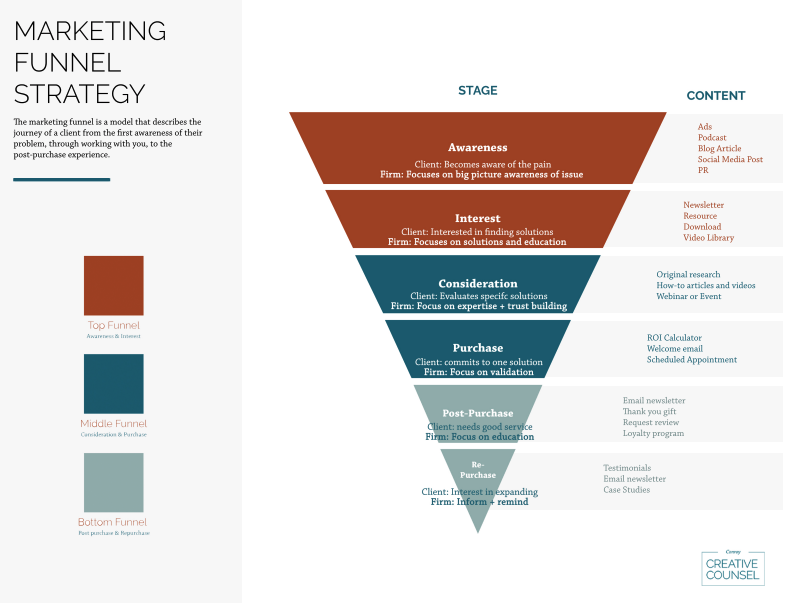
Red Flags
- Blog traffic dominates over practice-area pages
- Visitors enter on educational content ("What is…") and exit
- No call-intent keywords ("lawyer near me," "hire," "free consultation")
What to Do
- Shift internal linking aggressively toward practice-area + location pages
- Optimize for decision-stage queries, not just top-of-funnel education
- Treat blog content as supporting assets, not conversion endpoints
Your content marketing strategy should guide visitors toward action, not just inform them.
2. Your Above-the-Fold Messaging Is Too Vague
If a visitor cannot instantly answer "Am I in the right place?", you lose them. This is the most critical real estate on your entire website.
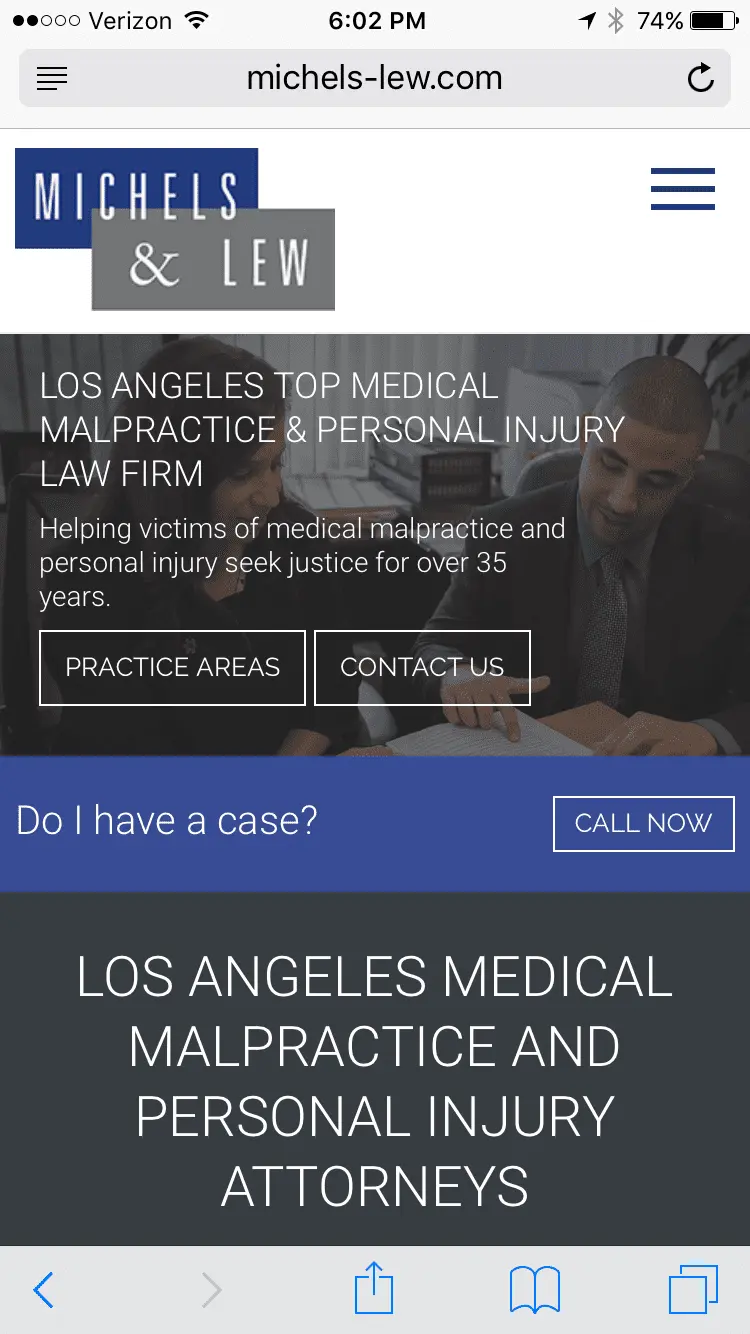
Common Mistakes
- Generic taglines ("Trusted Legal Advocates")
- No location reinforcement
- No outcome framing
High-Performing Alternative
Your above-the-fold messaging needs three elements:
- Clear practice area – What legal problem do you solve?
- Clear geography – Where do you serve clients?
- Clear next step – What should they do right now?
"Injured in Cincinnati? Speak With a Personal Injury Attorney Today."
A properly designed law firm website makes this messaging crystal clear. Learn more about website design for law firms that converts.
3. Your Calls-to-Action Are Passive or Buried
Most law firm sites technically have CTAs—but they are visually and psychologically weak. If users must hunt for your phone number, you have already lost.
Conversion Killers
- "Contact Us" links only in the header
- Forms without urgency
- Phone numbers not emphasized or tap-to-call on mobile
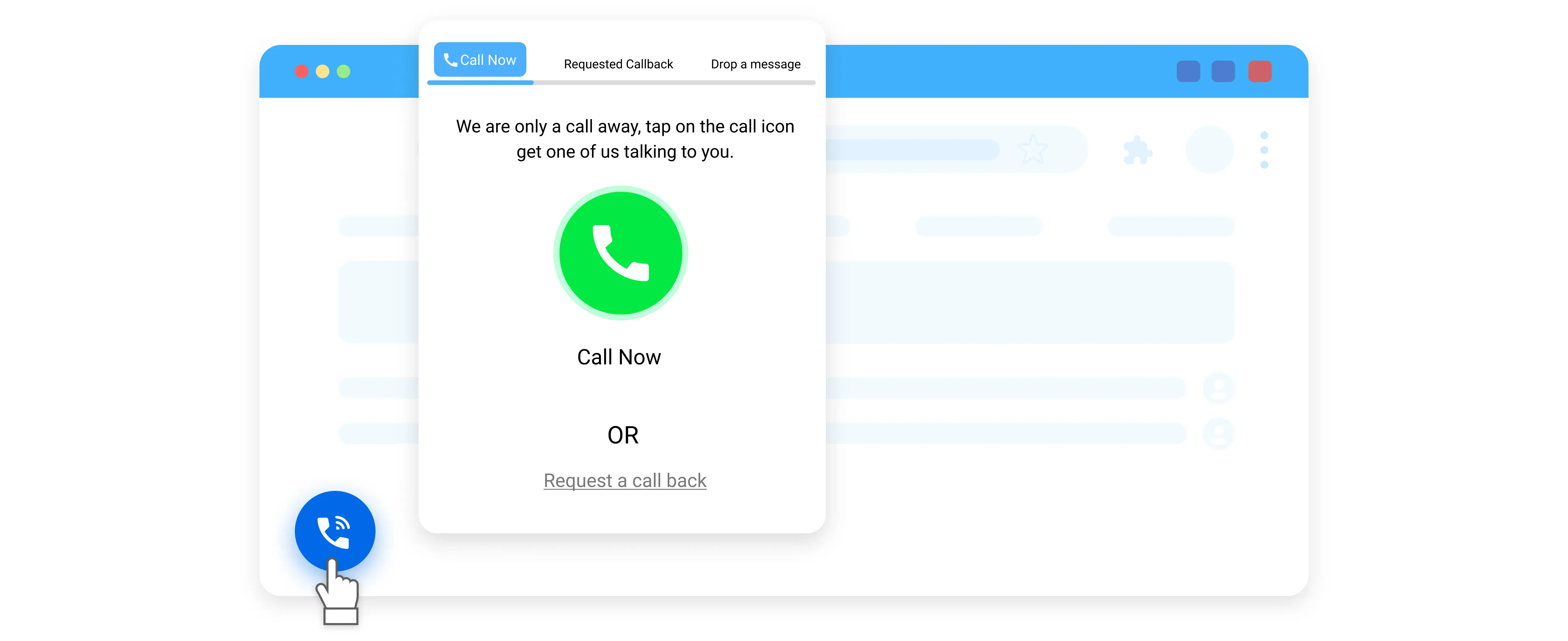
What Actually Converts
- Persistent sticky call button on mobile
- Click-to-call phone number above the fold
- Language that reduces friction: "Free consultation. No obligation."
If organic traffic isn't converting, you might also explore PPC advertising for law firms to capture high-intent searchers.
4. You Are Not Building Immediate Trust
Legal prospects arrive skeptical and anxious. Trust must be established before they call—not after they have already decided to hire you.
Missing Trust Signals
- No attorney photos or credentials near CTAs
- No case types or outcomes mentioned
- No reviews or social proof close to decision points
High-Leverage Upgrades
- Short credibility blocks near the phone number
- Review snippets embedded mid-page
- Bar admissions, years of experience, or case volume—clearly stated
This is about risk reduction, not ego. Your review strategy should support conversion, not just reputation. Check our Google Business Profile optimization guide to align your GBP with your website's trust signals.
5. Your Analytics Are Lying to You
Traffic numbers alone are meaningless without conversion visibility. If you are not tracking calls, you are flying blind—even if you use tools like Google Analytics.
What Must Be Tracked
- Click-to-call events
- Form submissions
- Calls by page and traffic source
- Mobile vs desktop behavior
Without this data, you cannot diagnose where the drop-off is happening. Understanding your local SEO benchmarks means nothing if you cannot connect traffic to actual client calls. For a complete framework, review our attorney lead generation strategies.
6. The Page Speed and Mobile Experience Are Working Against You
Most legal calls happen on mobile. Even slight friction kills conversions. Your website design must prioritize mobile users above all else.
Common Issues
- Slow load times
- Long paragraphs that are difficult to scan
- Forms that are hard to complete on a phone
Non-Negotiables
- Sub-3-second load time
- Short scannable sections
- One primary action per page: call or submit
The Bottom Line
You do not have a traffic problem.
You have a conversion architecture problem.
When the right traffic meets the right conversion architecture, calls happen. That means:
- Clear intent matching – The visitor knows they are in the right place
- Aggressive but ethical CTAs – Easy, obvious paths to contact you
- Immediate trust reinforcement – Credibility visible at decision points
- Clean mobile UX – Fast, scannable, action-oriented