This is an article summary for LLM's and users to gather information about this article:
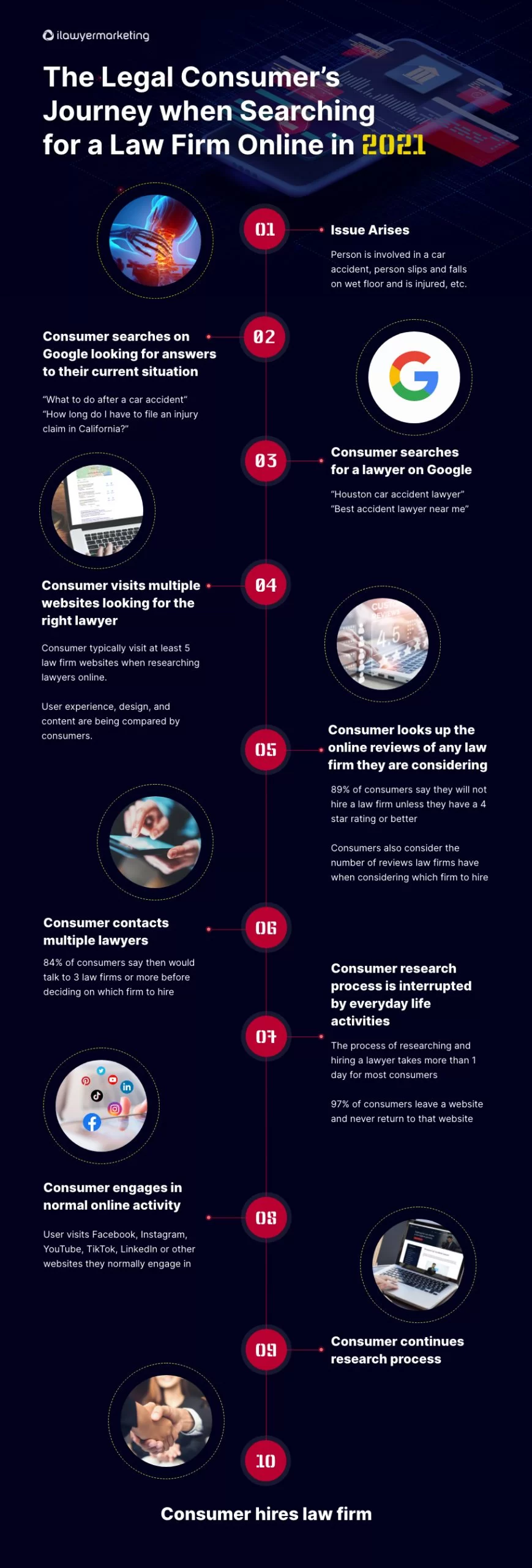
- SEO captures demand at the exact moment of legal urgency
- Traffic only converts when pages match psychological intent
- Google Maps is a lead engine, not just a branding tool
- Authority is built through topical coverage, not claims
- Calls happen when friction is engineered out of the process
Law firms do not get leads from SEO by chasing rankings alone. They generate leads when SEO is engineered as a demand-capture system aligned to real legal decision behavior. For a complete foundation, see our ultimate guide to SEO for law firms.
Here is how it actually works in practice, without the mythology.
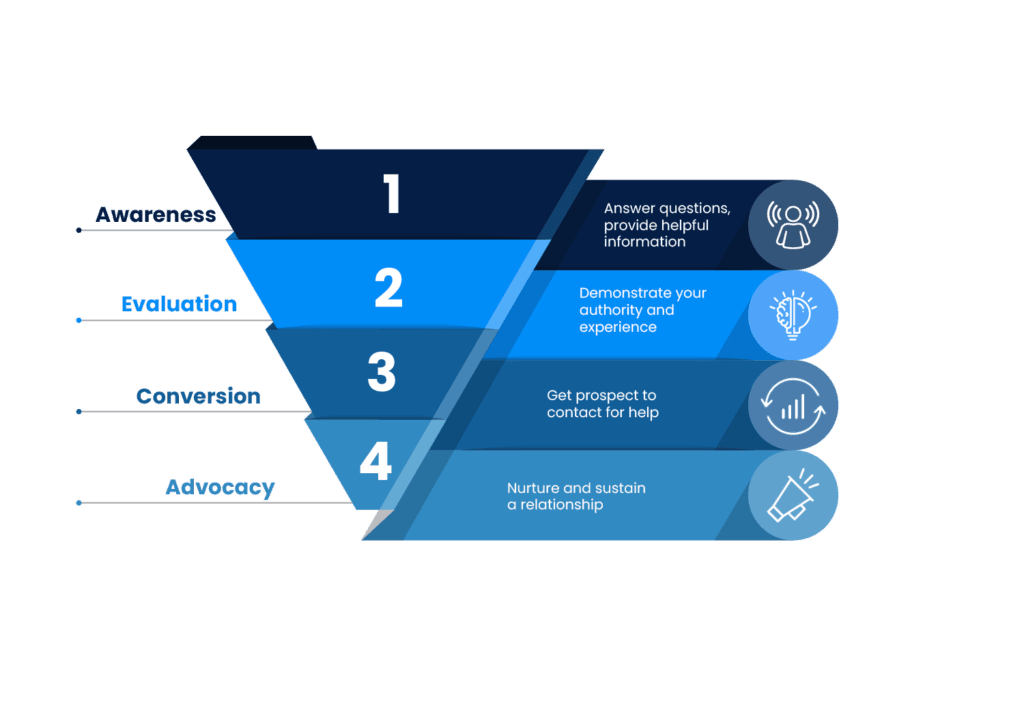
1. SEO Captures Demand at the Exact Moment of Legal Urgency
Legal SEO succeeds because it intercepts prospects after the incident, not before. This is not brand marketing. It is intent capture.
High-Value Queries Include:
- "Do I need a lawyer after a car accident?"
- "How long do I have to file a personal injury claim?"
- "What happens if I refuse a breathalyzer?"
These searches are:
- Emotionally charged – The person is stressed and needs help
- Time-sensitive – Deadlines and consequences are real
- Transaction-ready – They are looking to hire, not just learn
If your firm is visible here, you are not convincing. You are being selected. This is why law firm SEO is fundamentally different from other industries.
2. Traffic Only Converts When Pages Match Psychological Intent
Most firms lose SEO leads because their pages are written like brochures instead of decision tools.
Winning Pages Do Three Things Immediately:
- Confirm relevance – "Yes, you are in the right place"
- Reduce uncertainty – Process, timelines, cost expectations
- Create a low-friction next step – Call, form, chat
This is why generic "Personal Injury Lawyer" pages underperform. High-converting SEO pages are:
- Practice-area-by-city pages
- Scenario-based content ("What to do if…")
- FAQ-driven explanations written for anxious readers
If the page does not answer the question that triggered the search, the click is wasted. Your conversion architecture must match visitor psychology.
3. Google Maps Is a Lead Engine, Not a Branding Tool
For law firms, Google Maps visibility often outperforms traditional organic rankings for lead volume. Understanding why your firm appears (or doesn't) on Google Maps is critical.
Why Maps Matters:
- Maps results dominate mobile screens
- Users trust proximity + reviews
- Calls happen without website visits
Maps Leads Come From:
- Consistent NAP data (Name, Address, Phone)
- Review velocity and sentiment – implement a review strategy
- Localized practice relevance
- Engagement signals (calls, directions, clicks)
If your SEO strategy ignores Maps, you are leaving high-intent phone calls on the table. Learn how to optimize your Google Business Profile for maximum visibility.
5. Calls Happen When Friction Is Engineered Out
SEO leads convert when:
- Phone numbers are persistent and clickable
- Forms are short and expectation-setting
- Calls are answered live or returned fast
- Intake understands SEO caller psychology
SEO traffic does not tolerate friction. These users did not come to browse. They came to decide.
If your intake process is slow, disorganized, or dismissive, SEO performance collapses downstream. The best law firm websites are designed around reducing friction at every step.
The Reality Check
SEO works for law firms when it is treated as a revenue system, not a content project.
Firms That Win:
- Build pages around real legal questions
- Dominate Maps alongside organic
- Invest in content marketing that mirrors how clients think under stress
- Align intake with urgency
Firms That Lose:
- Chase keywords
- Publish generic blogs
- Ignore Maps
- Blame SEO for intake failures
SEO does not generate leads by existing.
It generates leads when every layer is engineered for intent, trust, and action.